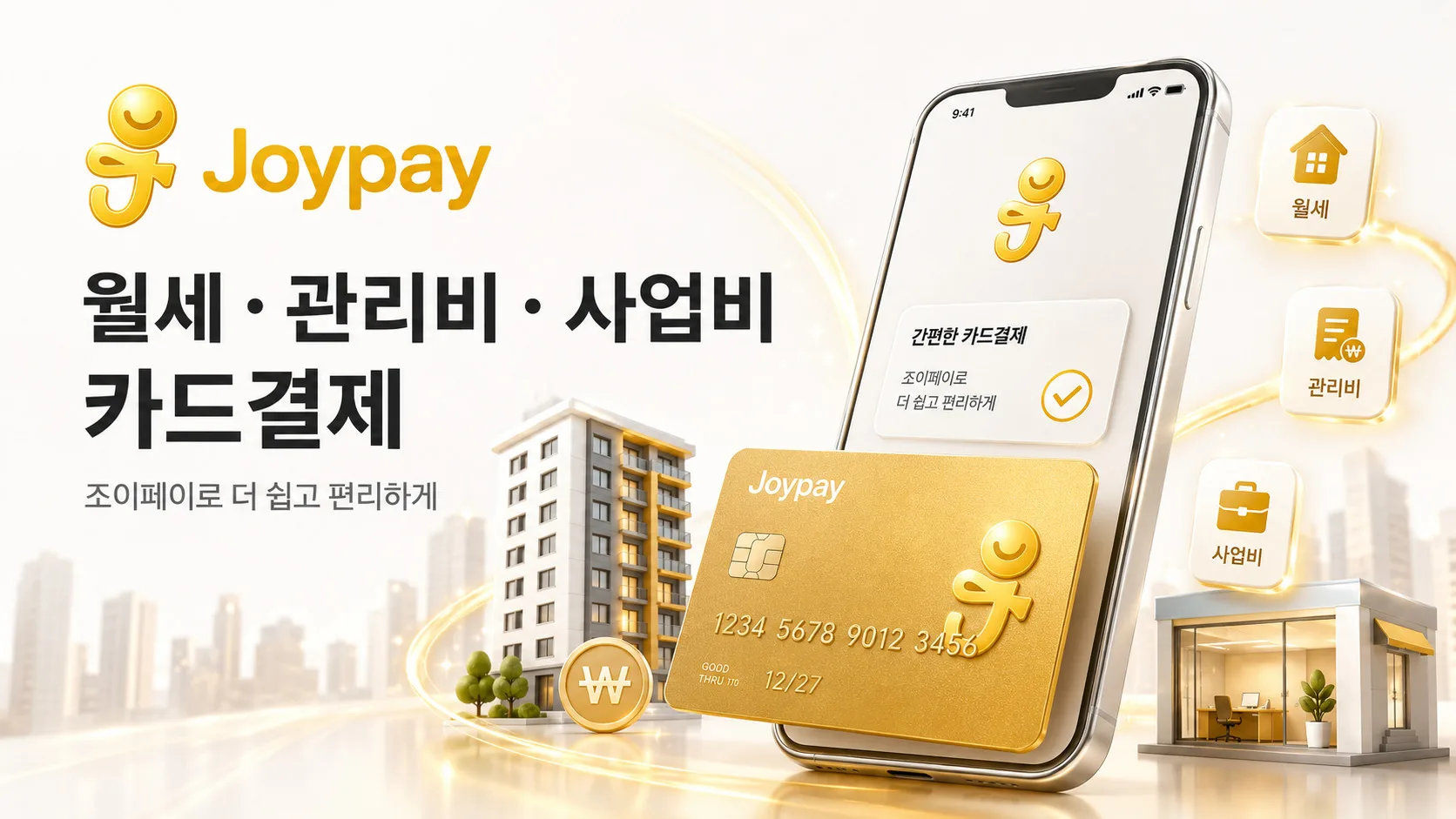
How Korean Renters and Business Owners Are Paying Fixed Costs by Credit Card
How Korean Renters and Business Owners Are Paying Fixed Costs by Credit Card
Managing recurring fixed expenses — monthly rent, building maintenance fees, and staff wages — has traditionally meant keeping a steady supply of cash on hand or maintaining a well-funded bank account at all times. For many renters and small business operators in Korea, that pressure can feel relentless. A growing category of payment services now allows these costs to be settled by credit or debit card, giving people more breathing room in their monthly cash flow. This article walks through how each of these card payment options works, who benefits most, and what to keep in mind before signing up.
Why Paying Fixed Costs in Cash Creates Problems
Rent, maintenance fees, and payroll all share one uncomfortable trait: they are due on a fixed schedule regardless of how business is going or when your own income arrives. A freelancer might invoice a client in the middle of the month but not receive payment until the following month. A small shop owner might have a strong weekend but a slow start to the week when rent is due. In situations like these, having to wire cash on a specific date creates stress and sometimes forces people to dip into savings or take short-term loans. Card-based payment services address this mismatch by allowing you to charge the expense to a card now and settle the card balance later, in line with your own billing cycle.
Monthly Rent Payments by Card
Paying monthly rent by credit or debit card might sound simple, but most landlords in Korea only accept bank transfers. A card payment service acts as a bridge: you authorize the charge on your card, and the service transfers the equivalent amount directly to the landlord’s account on your behalf. The landlord receives a standard bank transfer and does not need to change anything about how they collect rent. The tenant, meanwhile, benefits from the card’s grace period, earns reward points, and avoids the anxiety of timing a bank transfer perfectly each month. This approach works for apartments, studio units, and commercial spaces alike.
Maintenance Fee Payments by Card
Apartment and officetel residents in Korea receive a monthly maintenance bill covering shared costs such as elevator upkeep, cleaning services, security, and common area utilities. These bills are traditionally paid by bank transfer or automatic debit. Card payment services now allow residents to route these bills through a credit or debit card instead. The process is similar to the rent solution: the service collects the card payment and forwards the funds to the building management office. For residents who prefer to consolidate all monthly expenses onto a single card statement, this option simplifies bookkeeping considerably.
Staff Wage and Service Fee Payments by Card
For business operators, one of the largest and most time-sensitive fixed costs is paying workers. Whether you employ full-time staff, part-time helpers, or bring in contractors for specific projects, wages and service fees are due on a predictable schedule. Using 인건비카드결제 allows operators to charge these costs to a business credit card and push the actual cash outflow to the card’s payment date. This can make a meaningful difference during slow seasons or when a large client invoice is still outstanding. The service handles the transfer to each worker’s account, so the payment experience from the worker’s side remains unchanged.
Comparing the Three Payment Types
| Payment Type | Who Uses It | Main Benefit | Recipient Experience |
|---|---|---|---|
| Monthly Rent | Tenants in residential or commercial spaces | Deferred cash outflow, card rewards | Receives normal bank transfer |
| Maintenance Fee | Apartment and officetel residents | Consolidated billing, simplified records | Receives standard payment |
| Staff Wages | Small and medium business operators | Cash flow flexibility during slow periods | Receives direct account deposit |
Key Things to Check Before Using a Card Payment Service
- Service fees: Most providers charge a small percentage per transaction. Compare rates across providers to ensure the fee is worth the cash flow benefit you gain.
- Card compatibility: Confirm that your specific card issuer and card type are supported, as not all cards work with every service platform.
- Processing time: Ask how long the transfer takes to reach the landlord, building office, or worker. Some services settle within one business day; others may take longer.
- Receipt and documentation: Verify that the service provides proper payment records for tax or accounting purposes, especially important for business-related payments.
Is This Approach Right for You?
The value of using a card payment service depends heavily on your personal or business cash flow pattern. If your income is steady and arrives well before your fixed expenses are due, the main draw is convenience and card rewards rather than financial relief. If your income is irregular or delayed, the ability to charge a fixed expense today and settle it later can prevent shortfalls without resorting to high-interest borrowing. Either way, the fact that recipients — landlords, building managers, and workers — receive a standard bank transfer means there is no friction or negotiation required on their end, which makes adoption straightforward.
Card-based payment services for rent, maintenance fees, and staff wages represent a practical evolution in how recurring fixed costs are managed. By separating the moment of payment from the moment of actual cash settlement, these services give individuals and business operators a tool that fits more naturally into the realities of modern income timing. As more providers enter this space, fees are becoming more competitive and supported card types more varied, making it worth exploring whether one of these services could simplify your own monthly financial routine.